Prepare Your Roof & Gutters for Fall in NC
Home Maintenance, Roofing, Gutters, North Carolina
The Ultimate North Carolina Fall Roof & Gutter Checklist
One clogged gutter or a few loose shingles can turn a beautiful North Carolina fall storm into a soaked ceiling, flooded crawlspace, or costly emergency repair. Before the next round of wind, rain, and leaf drop hits, your roof and gutters need a pre-season checkup. Use this practical checklist from Check Mark Roofing to spot lingering summer storm damage, get ahead of leaf buildup, and boost your home’s energy efficiency—so you head into winter protected, prepared, and confident. For more seasonal prep tips, see our guide on spring roof maintenance in North Carolina.
Step 1: Assess Lingering Summer Storm Damage
North Carolina summers bring intense sun, heavy rain, tropical systems, and hail—all of which can quietly weaken your roof. Before fall storms and leaf buildup add more stress, walk through this post-summer damage check. If you suspect major issues after reading this section, you may also want to review our article on signs you may need a roof replacement.
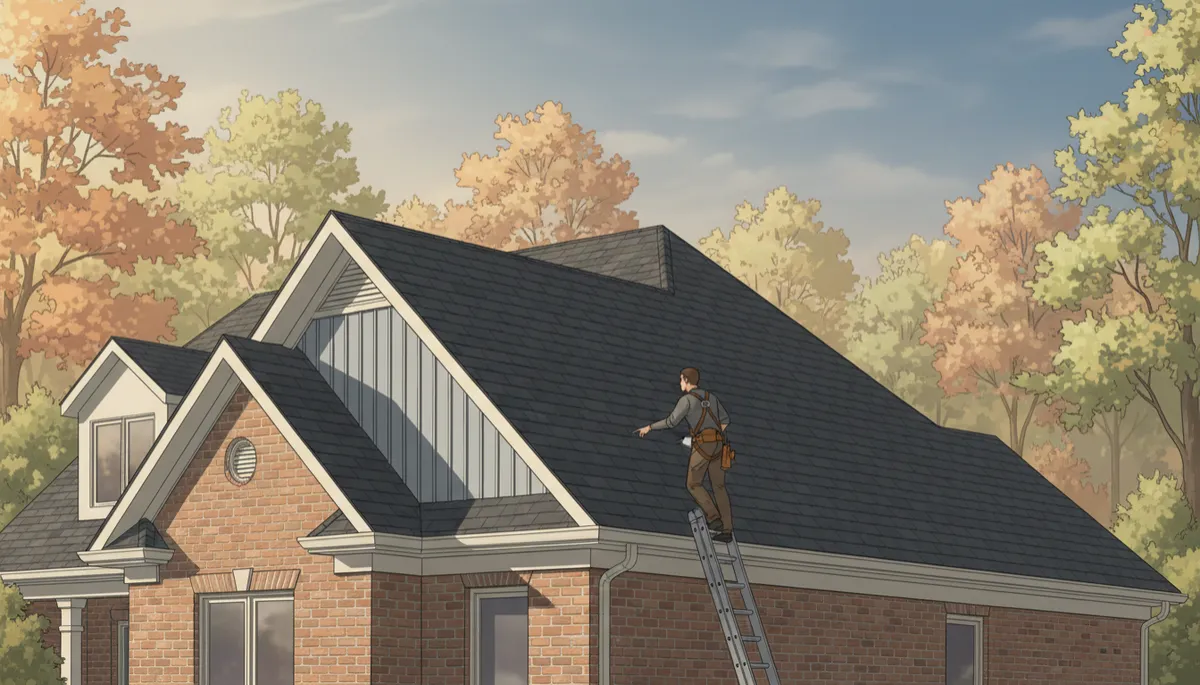
Start with a ground-level visual scan. Walk the perimeter of your home and look for missing, cracked, or curled shingles, sagging roof lines, and dark spots that may indicate moisture or algae growth. Use binoculars if you have them, but avoid climbing onto the roof yourself for safety reasons.
Check for hail and wind damage. After severe thunderstorms or tropical remnants, shingles can lose protective granules or crack. Look for bare-looking shingles, small divots, or random dark patches. You may also find granules piled in gutters or at the base of downspouts—a sign your shingles are aging faster than they should. For a deeper dive into storm-related issues, explore our post on how to spot storm damage on your roof.
Inspect flashing and roof penetrations. Around chimneys, skylights, vents, and valleys, flashing can be lifted or bent by strong winds. From the ground, look for gaps, rust, or areas where sealant appears cracked or missing. These small openings are a leading cause of fall and winter leaks in North Carolina homes.
Look inside for water warning signs. In your attic and upper ceilings, check for water stains, peeling paint, musty odors, or damp insulation. Use a flashlight to examine roof decking for darkened or warped areas. Even tiny summer leaks can grow when fall rains arrive, so early detection is critical.
Note storm dates and keep a record. If you spot potential storm damage, write down what you see and when recent storms occurred. This documentation can help if you need to file an insurance claim and will be useful for your Check Mark Roofing inspector during a professional evaluation. For more guidance on navigating claims, check out our resource on roof insurance claims for North Carolina homeowners.
💡 Pro Tip: Schedule a professional roof inspection after any major wind or hail event. Many problems are invisible from the ground but easy for a trained roofer to identify early. Learn what to expect during a visit in our post on what happens during a professional roof inspection.
“After a late-summer hailstorm in Raleigh, one homeowner called us only because they noticed a few granules in the driveway. From the ground, their roof looked fine. Once we inspected it, we found widespread granule loss and several cracked shingles around roof penetrations. Because they had documented the storm date and called quickly, their insurance covered a full replacement—preventing what would have become multiple leaks during fall rains.”
— Real case from a Check Mark Roofing inspection in Wake County
Step 2: Prepare Gutters for Autumn Leaf Drop
When North Carolina’s oaks, maples, and pines start shedding, your gutters become the first line of defense against water damage. Clogged or poorly designed gutters can send water straight into your fascia, siding, and foundation. Use this checklist to get ahead of the fall leaf drop—and to understand why seamless gutters and gutter guards are worth every penny. For more detail on drainage solutions, see our article on preventing gutter overflow and foundation damage.
Clear out existing debris. Before the leaves really start falling, remove old leaves, twigs, and shingle granules from gutters and downspouts. If you’re cleaning them yourself, use a stable ladder, work gloves, and a small scoop. Never lean out too far or work alone. Many homeowners prefer to have Check Mark Roofing handle this as part of a fall maintenance visit for safety and thoroughness.
Flush and test water flow. Use a garden hose to run water through each section. Watch for slow draining, overflows at corners, or leaks along the gutter runs. Standing water means the pitch is off or there is an obstruction; both can cause premature rusting, sagging, and fascia damage.
Inspect for sagging, seams, and loose fasteners. Traditional sectional gutters have joints where leaks and clogs commonly start. Check for separated seams, missing hangers, or gutters pulling away from the home. These weak points can fail under the weight of wet leaves and heavy fall rains.
Upgrade to seamless gutters for better protection. Seamless gutters are custom-formed to the exact length of your roof line, eliminating most joints where leaks develop. For North Carolina homes that see frequent storms and heavy leaf fall, seamless systems reduce maintenance, look cleaner, and provide more reliable water control along your roof edge. Learn more in our comparison of seamless vs. sectional gutters.
Add gutter guards to keep leaves out. Quality gutter guards create a barrier that allows water in while keeping leaves, pine needles, and debris out. This is especially valuable in wooded neighborhoods and around commercial buildings with large roof areas. With the right guards, you dramatically cut down on seasonal cleanings and reduce the risk of overflow that can damage soffits, siding, and landscaping. For help choosing a system, read our guide to the best gutter guards for North Carolina homes.
Check downspout extensions and drainage. Make sure downspouts discharge several feet away from your foundation, walkways, and driveways. Add extensions or splash blocks if needed. Proper drainage protects basements, crawlspaces, and concrete from water intrusion and erosion when fall storms roll through.

📌 Key Takeaway: Seamless gutters and quality gutter guards are one of the most effective ways to prevent costly water damage during North Carolina’s fall and winter rains. For more exterior protection ideas, see our post on protecting your home’s exterior from water damage.
“In one Cary neighborhood, we were called after a homeowner noticed water pooling near their foundation every time it rained. Their sectional gutters were packed with leaves, and several seams had separated. After replacing them with seamless gutters and adding gutter guards, the standing water disappeared and they haven’t had a single overflow issue through two full fall seasons.”
— Case study from a Check Mark Roofing seamless gutter installation
Step 3: Evaluate Roof Energy Efficiency Before Winter
A healthy roof does more than keep water out—it also plays a major role in how comfortable and efficient your home is when temperatures drop. Fall is the ideal time to check your roof’s energy performance so you’re not wasting money on heating all winter long. For broader savings strategies, you can also review our article on roof upgrades that improve home energy efficiency.
Inspect attic insulation levels. In many North Carolina homes, attic insulation is too thin, uneven, or compressed. Look for bare spots, low areas, or insulation that has been disturbed by past leaks or pests. Proper insulation helps your home stay warmer in winter and cooler in late-season warm spells, easing the load on your HVAC system.
Check attic ventilation. Balanced intake and exhaust ventilation allow your roof system to “breathe,” releasing excess heat and moisture. In fall and winter, poor ventilation can lead to condensation, mold, and premature shingle aging. Make sure soffit vents, ridge vents, or attic fans are unobstructed and functioning properly.
Look for gaps and air leaks. Around attic hatches, plumbing penetrations, and light fixtures, seal any visible gaps with appropriate caulking or weatherstripping. These small leaks allow warm air to escape into the attic, causing uneven temperatures and potential condensation under the roof deck when cold air moves in.
Evaluate shingle condition and color. Aging, curling, or missing shingles don’t just invite leaks—they can also reduce your roof’s ability to reflect or absorb heat effectively. If your roof is nearing the end of its life, fall is a smart time to plan a replacement so you enter winter with a stronger, more energy-efficient system in place. For more on timing, read our guide on when to replace your roof in North Carolina.
Consider an energy-focused roof inspection. A professional from Check Mark Roofing can identify subtle issues that impact efficiency, such as inadequate ventilation design, poor flashing around roof penetrations, or insulation that doesn’t meet current recommendations for our region’s climate.
💡 Pro Tip: Improving attic insulation and ventilation before winter often pays for itself through lower heating and cooling bills—and it can extend the life of your roofing system. For more ways to prepare, see our checklist on winter roof preparation tips for North Carolina homes.
“In Greensboro, we worked with a homeowner who complained that their upstairs was freezing in winter and sweltering in late fall. Our inspection found thin, patchy attic insulation and blocked soffit vents. After adding proper insulation and restoring balanced ventilation, their winter heating bills dropped by roughly 20% and the temperature difference between floors nearly disappeared.”
— Energy-efficiency upgrade project completed by Check Mark Roofing
Step 4: Don’t Forget Commercial Roofs and Gutters
If you own or manage a commercial property in North Carolina, fall is a critical time to schedule your seasonal inspection. Flat and low-slope commercial roofs are especially vulnerable to ponding water, clogged drains, and hidden membrane damage after a long, hot summer and active storm season. For more in-depth guidance, explore our article on commercial roof maintenance in North Carolina.
Have roof drains and scuppers cleared. Leaves and debris can quickly block drainage points on flat roofs, leading to standing water that stresses the membrane and increases the risk of leaks into offices, retail spaces, or warehouses.
Inspect seams, penetrations, and parapet walls. HVAC units, vents, and rooftop equipment create vulnerable areas where water can find its way in. A professional inspection will identify failed sealants, loose flashing, and punctures before they disrupt your tenants or business operations.
Review your maintenance log. Regular, documented fall inspections help extend the life of your commercial roof and support warranty compliance. Partnering with Check Mark Roofing ensures you have consistent records and a trusted team ready when repairs are needed. To learn more about our services, visit our overview of commercial roofing services in North Carolina.
📌 Reminder for Property Managers: Booking your commercial roof and gutter inspection in early fall gives you time to address issues before peak holiday traffic and winter weather. For additional planning help, see our guide on roof maintenance for facility managers.
“A small shopping center in Johnston County called us after tenants reported ceiling stains in two suites. Our fall inspection found that roof drains on the flat membrane roof were almost completely blocked with leaves, causing water to pond several inches deep after storms. We cleared the drains, repaired a few compromised seams, and set up a scheduled maintenance plan—since then, they’ve gone through multiple heavy-rain events with no leaks and no business interruptions.”
— Commercial roof maintenance case study from a local retail center
Step 5: Schedule Your Fall Roof & Gutter Inspection with Check Mark Roofing
Walking through this checklist is a powerful first step—but nothing replaces a thorough, professional inspection. North Carolina’s mix of heat, humidity, storms, and falling leaves creates unique challenges for local roofs and gutters. The experienced team at Check Mark Roofing knows exactly what to look for and how to correct small problems before they become expensive emergencies.
Comprehensive roof assessment: We examine shingles or membrane, flashing, penetrations, and attic conditions to identify storm damage, wear, and potential leak points.
Gutter and drainage evaluation: Our team checks for clogs, improper pitch, sagging sections, and failing seams, and can recommend seamless gutters or gutter guards tailored to your property.
Energy-efficiency review: We look at ventilation, insulation, and roof condition to help you improve comfort and reduce energy waste before winter.
Clear, actionable recommendations: You’ll receive honest feedback, prioritized repair options, and guidance on whether insurance, maintenance, or upgrades make the most sense for your situation.
Ignoring your roof and gutters in the fall almost always costs more later. Clogged gutters overflow into walls and foundations. Undetected storm damage turns into interior leaks. Poor ventilation and insulation drive up your heating bills. A simple fall inspection with Check Mark Roofing is one of the most cost-effective ways to protect your home or commercial building from water damage and winter weather. For year-round protection, you can also explore our annual roof maintenance plan for North Carolina properties.
📌 Real-World Result: Many of our repeat customers first called us after an emergency—like a surprise ceiling leak or flooded crawlspace. Once they saw how a simple scheduled fall inspection could have prevented the damage, they enrolled in regular maintenance. Those same homes and buildings now go through hurricane season and fall storms with far fewer surprises and far lower repair bills.
Protect Your Property Before the Next Storm: Book Your Fall Inspection Today
As leaves begin to fall and temperatures start to dip, now is the time to act. Don’t wait for a ceiling stain, a flooded basement, or an emergency call in the middle of a storm to discover your roof and gutters needed attention. Let Check Mark Roofing give you peace of mind with a thorough, professional fall inspection tailored to North Carolina’s unique climate. For more on preparing for severe weather, see our guide on preparing your roof for hurricane season in North Carolina.
Whether you’re a homeowner wanting to protect your family’s biggest investment or a commercial property owner responsible for tenants and operations, our team is ready to help you:
Identify and repair lingering summer storm damage before it worsens
Upgrade to seamless gutters and gutter guards for reliable fall and winter drainage
Improve roof energy efficiency to keep your property more comfortable and affordable to heat
Schedule your North Carolina fall roof and gutter inspection with Check Mark Roofing today and stay ahead of costly water damage. A quick call or online appointment now can save you thousands in repairs—and give you confidence that your roof, gutters, and drainage are ready for whatever this fall and winter bring. For more homeowner education, browse our full library of roofing and gutter tips for North Carolina homeowners.
