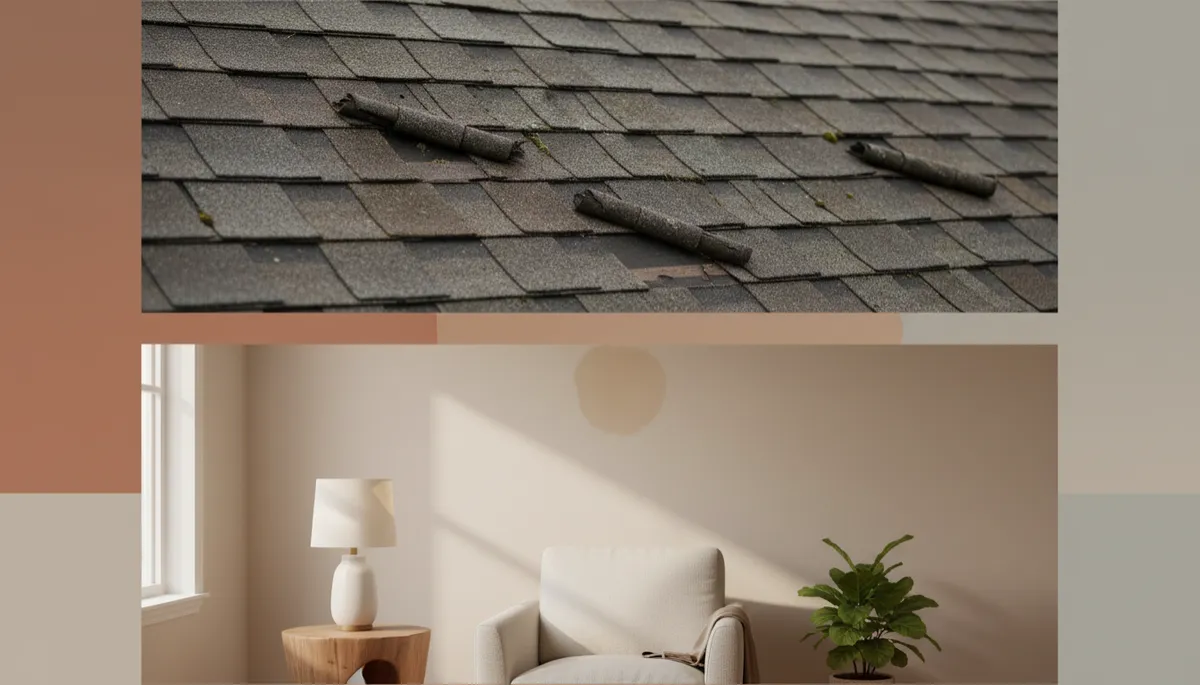
Roof Repair or Replacement: Key Signs for Texas Homes
Home Improvement, Roof Replacement, Texas Homes
Roof Repair or Full Replacement? Clear Warning Signs Texas Homeowners Shouldn’t Ignore
Knowing when a roof needs a simple repair versus a full replacement can save you money, stress, and damage to the rest of your home—especially in Texas, where hail, heat, and high winds push roofing systems to their limits.
How Long Does a Roof Last in Texas?
On paper, many asphalt shingle roofs are rated to last 25–30 years. In reality, Texas weather often shortens that timeline. Intense UV exposure, sudden temperature swings, spring hail, and hurricane–season winds all work together to age a roof faster than in milder climates. For many Texas homes, a standard asphalt shingle roof reaches the end of its reliable life somewhere between 15 and 20 years, even if it looks “okay” from the street.
Age alone does not automatically mean you must replace your roof, but it is a major warning sign. Once your roof is past that 15–20 year mark, even small issues—like a few missing shingles or a minor leak—can be a clue that the whole system is weakening, not just one spot. At that stage, repeated repairs may cost you more in the long run than a well-planned replacement.
What Are the Clear Warning Signs You Need a Full Roof Replacement?
A healthy roof sheds water, resists wind, and protects your home quietly in the background. When it starts to fail, it usually sends signals. Some can be fixed with a targeted repair; others point to deeper, system-wide problems that call for a full roof replacement. Here are the clearest warning signs that your roof may be at or near the end of its life.
1. Widespread Missing or Damaged Shingles
A single shingle blown off in a windstorm can often be replaced with a straightforward repair. But when you see multiple missing shingles, especially in several areas of the roof, that’s a different story. Missing shingles expose the underlayment and decking to water, leading to rot, mold, and structural damage over time. They also tell you the shingles are no longer holding up well to wind and weather, which is critical in storm-prone Texas communities.
Other forms of shingle damage—such as curling edges, cracking, or heavy granule loss filling your gutters—also suggest the material is breaking down. When this damage is scattered across the roof instead of isolated to one small area, a full roof replacement is usually the most reliable solution.
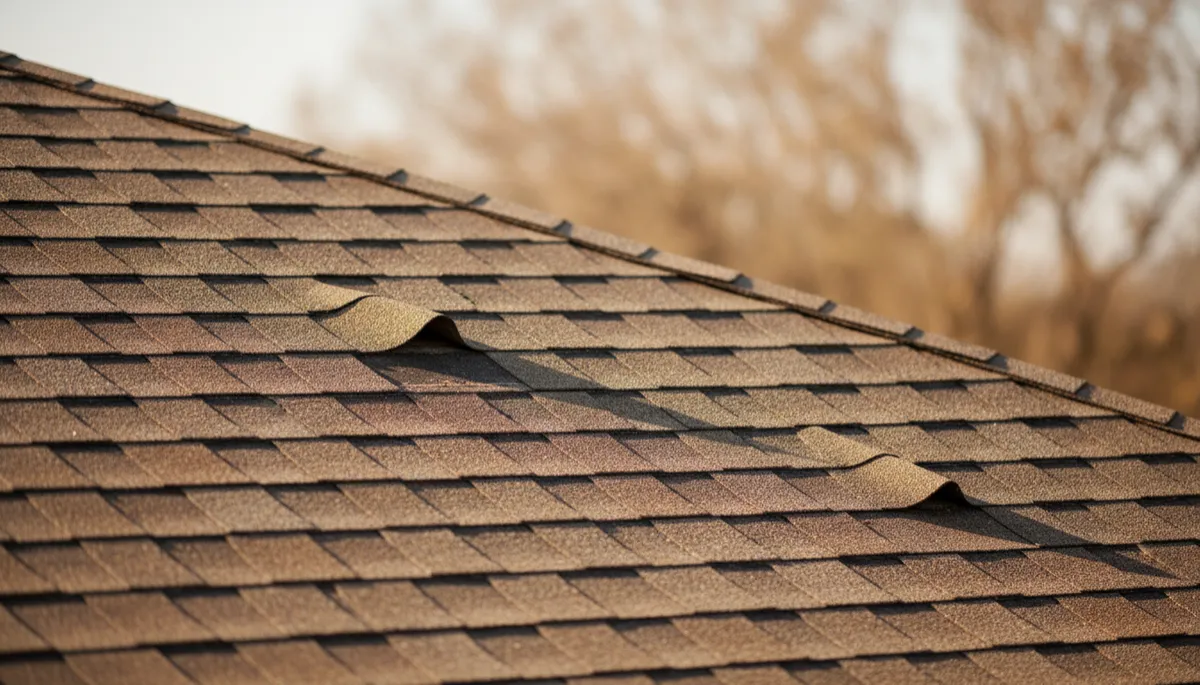
When missing and curled shingles spread across your roof, repairs become a short-term bandage.
2. A Roof Over 15–20 Years Old
If your roof is more than 15–20 years old, treat any new problem as a serious warning, not just a minor inconvenience. Even if you do not see obvious damage from the ground, the materials may be brittle, seals may be failing, and hidden leaks may already be forming. In Texas, older roofs that have lived through years of hailstorms and heatwaves are especially vulnerable.
At this age, patching one spot often leads to another issue popping up a season or two later. A full replacement gives you a clean slate, modern materials, and the chance to upgrade to products better suited to Texas weather, rather than pouring more money into an aging system.
3. Interior Water Stains and Active Leaks
One of the most telling signs your roof is in trouble shows up inside your home. Interior water stains on ceilings or upper walls, peeling paint, or bubbling drywall usually mean water is getting past the roof and into your attic or living space. You may also notice a musty smell in certain rooms or see damp insulation when you peek into the attic after a storm.
A small, clearly defined leak caused by a single damaged flashing or punctured shingle can sometimes be repaired. But when water stains appear in multiple rooms, keep returning after every rain, or are paired with an older roof and other visible wear, it is often a sign that the roofing system as a whole is failing. Left alone, these leaks can damage framing, insulation, flooring, and even your electrical system, turning a roofing problem into a full-home repair project.
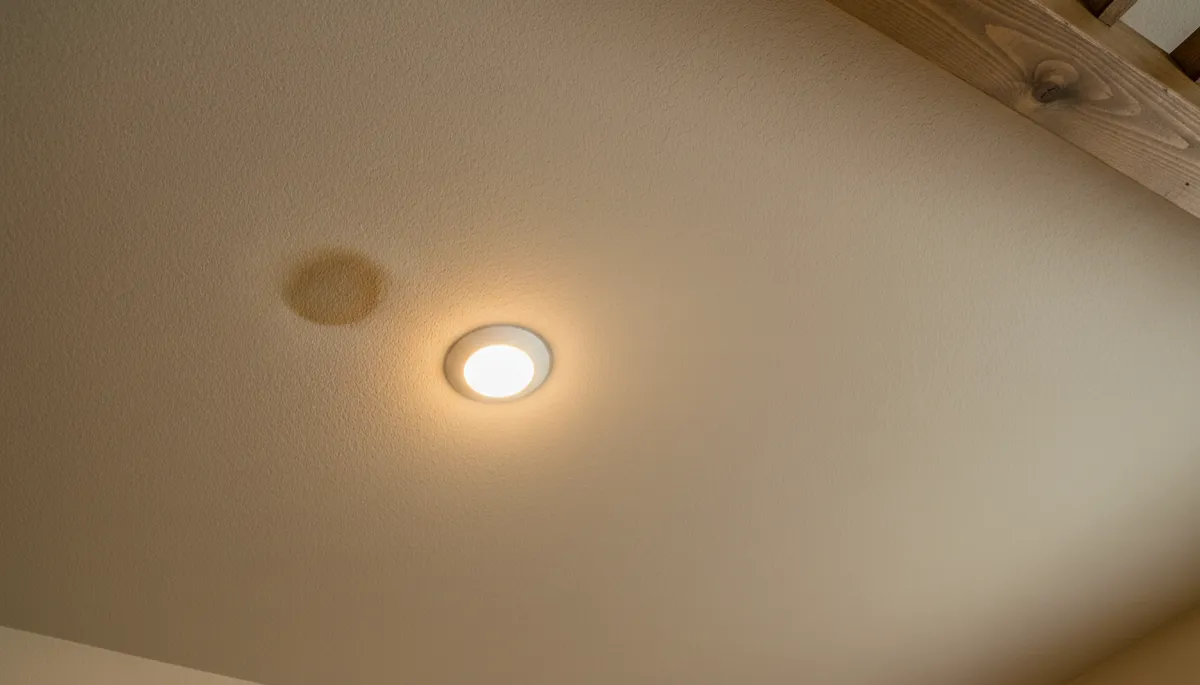
Interior stains often reveal roof issues long before exterior damage is obvious.
4. Sagging, Soft Spots, or Visible Structural Concerns
A roof deck that appears to sag between rafters or feels soft when walked on is a sign that moisture has been present for a while. This is rarely a simple repair. The decking may need to be replaced, and the safest way to do that is during a full roof replacement. Structural issues are not just cosmetic—they can affect how your roof handles the next big wind or hail event.
When Is a Simple Roof Repair Enough?
Not every problem calls for a brand-new roof. If your roof is relatively young, in otherwise good condition, and the issue is clearly limited—a small area of wind damage, a nail pop, or a single flashing failure—a professional repair can be a practical, cost-effective choice. The key is confirming that the damage is isolated and that the surrounding materials are still healthy and flexible, not brittle or worn out.
A reputable roofing contractor will inspect the entire roof, attic, and interior for hidden moisture before recommending a repair. If they see widespread granule loss, many missing shingles, or long-term water intrusion, they will likely guide you toward replacement instead of patchwork fixes that will not last.
Why Upgrade to Class 4 Impact-Resistant Shingles or Metal Roofing in Texas?
If you have reached the point where a full roof replacement makes sense, Texas weather gives you a strong reason to upgrade your materials. Two of the most resilient options for local homes are Class 4 impact-resistant shingles and metal roofing.
Benefits of Class 4 Impact-Resistant Shingles
Class 4 shingles are tested to withstand high-impact strikes—like hail—far better than standard shingles. Leading manufacturers such as Owens Corning and GAF offer Class 4 products designed specifically to perform in severe weather regions.
For Texas homeowners, the benefits include:
Better resistance to hail damage, reducing the risk of emergency repairs after storms.
Potential insurance premium discounts in some areas—many insurers reward impact-resistant roofing.
Longer service life and fewer replacements over the time you own your home.
Benefits of Metal Roofing for Texas Homes
Metal roofing is another strong option in Texas. Properly installed metal roofs are highly resistant to wind uplift, shed hail and debris more effectively than many traditional shingles, and can last several decades with minimal maintenance. Light-colored or reflective metal panels can also help reduce heat gain, which may lower cooling costs during long, hot summers.
While the upfront cost of metal or Class 4 shingles is higher than basic asphalt, the long-term savings—from fewer repairs, possible insurance benefits, and extended lifespan—often make the investment worthwhile, especially in hail-prone Texas regions.
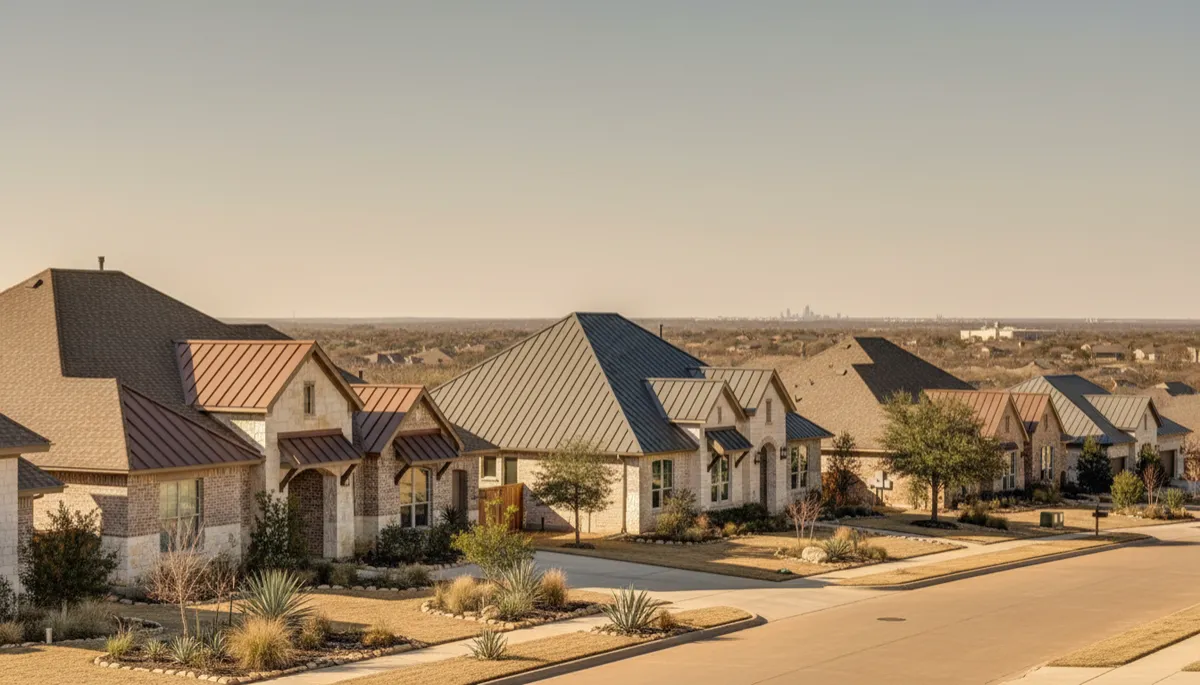
Impact-resistant and metal roofs help Texas homes stand up to repeated hail and wind.
How to Decide: Repair Now or Replace for Peace of Mind?
The decision often comes down to three simple questions:
How old is your roof? If it is over 15–20 years, lean toward replacement, especially if other warning signs are present.
Is the damage isolated or widespread? A small, clear problem on an otherwise healthy roof can usually be repaired. Multiple missing shingles, repeated leaks, or sagging areas point to replacement.
How often are you calling for repairs? If you are patching issues every storm season, a new roof—especially with Class 4 shingles or metal—can break the cycle.
Talk with a Local Roofing Professional You Trust
Every home and every storm history is different. A calm, thorough inspection by an experienced local roofer is the best way to know if you can safely repair your current roof or if it is time to plan a full replacement and upgrade your materials. A good contractor will walk you through photos, explain what they see in plain language, and outline both short-term and long-term options so you can choose what fits your budget and risk tolerance.
To learn more about our approach to careful inspections, clear recommendations, and high-performance materials, visit our About Us page. If you already know your roof is aging, explore our Roof Replacement services and see how upgrading to Class 4 impact-resistant shingles or metal roofing can help your Texas home stay ready for the next storm season—and the one after that.
