Ultimate Roof Inspection Checklist for Homeowners
Home Maintenance, Roof Inspection, Roofing Safety
The Ultimate Homeowner’s Roof Inspection Checklist
Your roof is your home’s first line of defense against wind, rain, snow, and sun. A simple, safe inspection from the ground and inside your attic can help you spot early warning signs before they become expensive repairs. Use this step‑by‑step checklist from the experts at Check Mark Roofing, LLC to understand what to look for—and when it’s time to call in a professional for a comprehensive, no‑cost inspection.
Safety Comes First: What You Should—and Shouldn’t—Do
Before you begin, it’s important to understand that a homeowner’s inspection is visual only. You should never climb onto your roof unless you are trained, equipped, and insured to do so. Slopes, loose shingles, and hidden weak spots can turn a quick look into a serious fall in seconds.
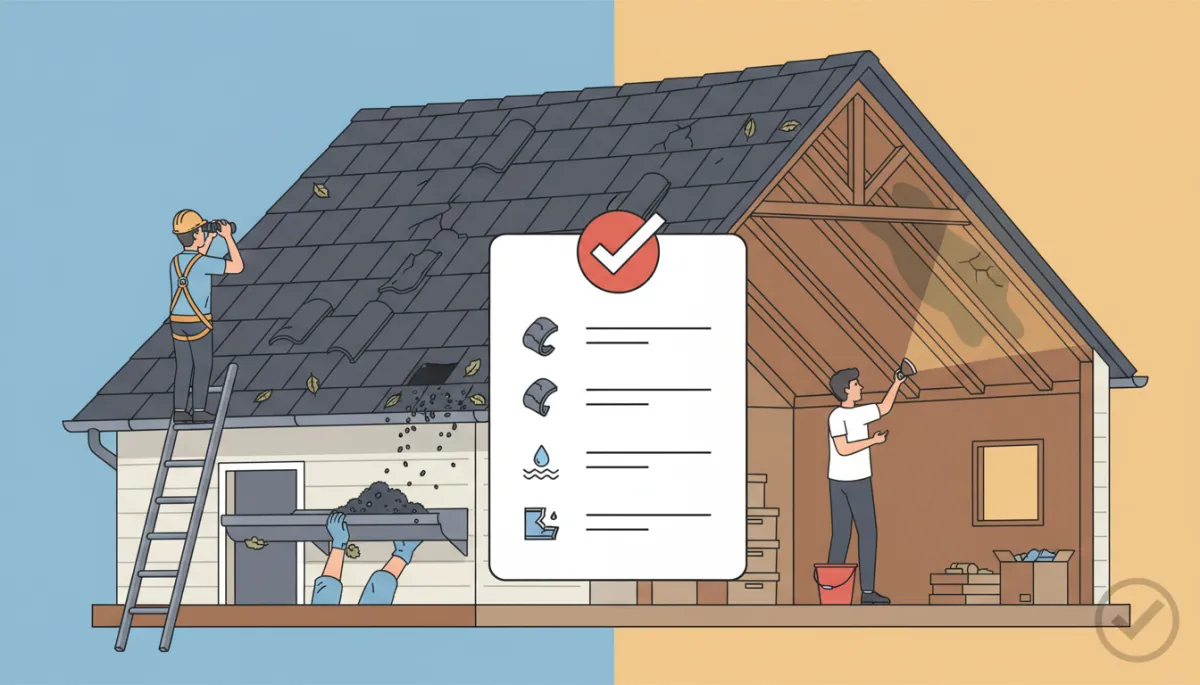
Stay on the ground or a flat, stable surface. Use binoculars or your phone’s zoom to get a closer view instead of climbing onto the roof.
Avoid wet, icy, or windy conditions. Schedule your inspection for a clear, dry day with good light so you can see details without rushing.
Use proper lighting inside the attic. A bright flashlight or headlamp helps you spot subtle water stains, mold, or light leaks without straining your eyes.
Wear a dust mask and gloves in the attic. Insulation, dust, and debris can irritate your lungs and skin.
⚠️ Safety Reminder: If you feel unsteady, unsure, or see obvious structural damage, stop immediately and contact Check Mark Roofing, LLC for a professional inspection instead.
Step 1: Inspect Your Roof from the Ground
Start by walking slowly around your home, stopping at different angles so you can see every slope of the roof. Use binoculars or your phone’s camera zoom to examine the surface in detail. You’re looking for anything that seems out of place, damaged, or worn compared to the rest of the roof.
Ground-Level Red Flags to Watch For
Curling, cracked, or cupped shingles that no longer lie flat against the roof surface.
Missing shingles leaving exposed dark patches or underlying roofing material visible.
Shingles that appear blistered or pitted, often caused by heat, age, or hail damage.
Uneven or sagging roof lines, which may indicate structural issues or long‑term water intrusion.
Dark streaks, algae, or moss growth that can trap moisture and shorten the life of your roof if left untreated.
Loose, bent, or missing flashing around chimneys, vents, skylights, and walls where the roof meets vertical surfaces.
Damaged or rusted metal components, such as drip edges, valley metal, or vent boots.
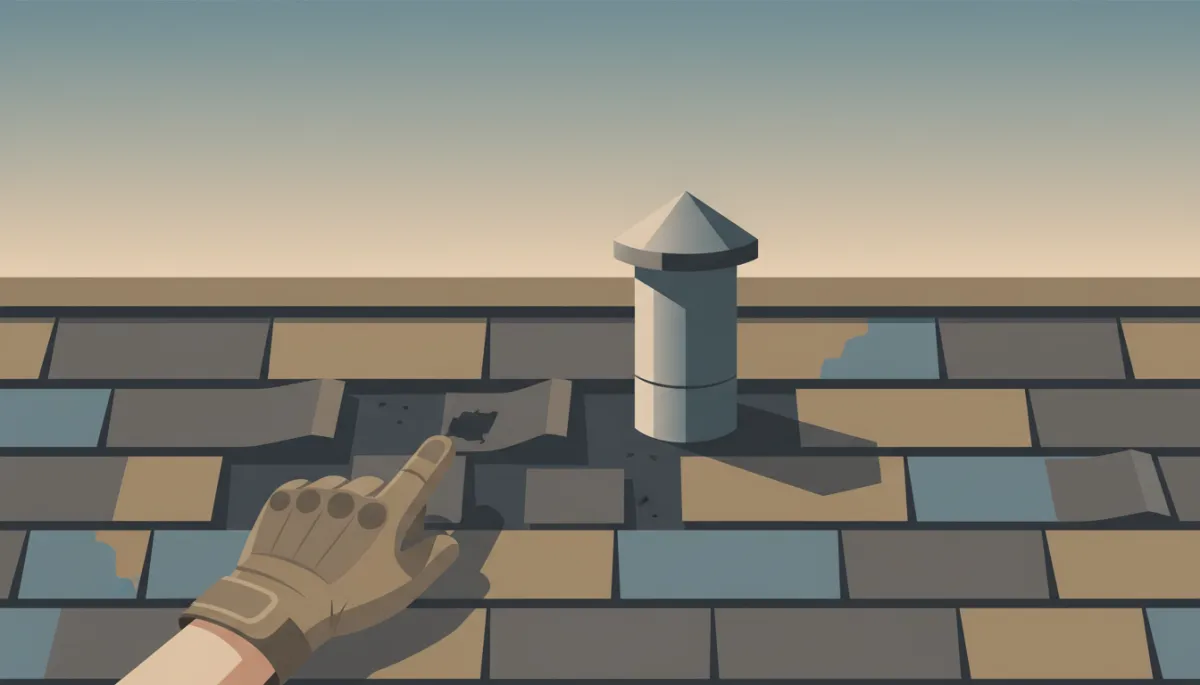
Early signs like curling shingles and loose flashing often precede costly leaks inside the home.
Step 2: Check Gutters, Downspouts, and Ground Areas
Your gutters and the ground around your home can reveal a lot about your roof’s condition. When shingles begin to break down, they often shed granules—the sand‑like coating that protects them from the sun—into your gutters and downspouts. Water that isn’t properly directed away from your home can also lead to foundation problems and basement leaks.
Look for excessive granules in gutters or at the bottom of downspouts, which may appear like piles of coarse, dark sand. A few granules are normal; heavy buildup is a warning sign of aging shingles.
Check that gutters are securely attached and not pulling away from the fascia, which can allow water to run behind them and into your home’s structure.
Confirm that downspouts discharge water several feet away from the foundation, using splash blocks or extensions where needed.
Walk around the home after a rain (or use a hose) to spot areas where water pools near the foundation or drips from unexpected places along the roof edge.
💡 Pro Tip: If you notice heavy granule loss or sagging gutters, schedule a professional evaluation with Check Mark Roofing, LLC to determine whether repair or replacement is the safest option.
Step 3: Inspect the Attic for Hidden Warning Signs
Many roof problems show up inside before they’re obvious outside. Your attic is the best place to catch early signs of leaks, poor ventilation, and structural concerns. Access your attic carefully, using secure flooring or joists, and avoid stepping directly on drywall or insulation.
Attic and Interior Red Flags to Look For
Water stains on the ceiling or upper walls inside your living spaces, especially after heavy rain or snow melt.
Dark, discolored, or damp spots on attic rafters, decking, or insulation that could indicate slow leaks or condensation issues.
Visible mold or mildew on wood or insulation, often accompanied by a musty odor, suggesting trapped moisture or poor ventilation.
Sunlight shining through the roof deck in the attic, even tiny pinholes, which can mean missing shingles, failed flashing, or deteriorated underlayment.
Sagging or bowed roof decking between rafters, which can be a sign of long‑term water damage or structural stress.
Poor ventilation indicators, such as excessive heat in the attic, rusted nails, or frost buildup in winter, all of which can shorten roof life.
Your Complete Roof Red Flag Checklist
Use this homeowner‑friendly checklist as you walk around your property and inspect your attic. If you check “yes” to any of these items, it’s time to bring in a trusted professional like Check Mark Roofing, LLC for a detailed assessment.
Curling, cracked, or cupped shingles visible from the ground
Missing shingles or exposed roof underlayment
Shingles with bare spots or exposed fiberglass mat
Excessive granules in gutters or at downspout outlets
Dark streaks, algae, moss, or lichen covering large roof areas
Loose, bent, rusted, or missing flashing at chimneys, vents, or skylights
Visible gaps where the roof meets walls, chimneys, or dormers
Sagging roof lines or dips in the roof surface
Water stains on ceilings or upper walls inside your home
Damp, discolored, or moldy insulation or wood in the attic
Sunlight visible through the roof deck in the attic
Persistent musty odors or signs of poor ventilation in the attic
When to Call the Professionals at Check Mark Roofing, LLC
A visual check from the ground and attic is an excellent starting point, but it can’t replace a comprehensive, professional roof inspection. Experienced roofing specialists know how to safely walk the roof, test materials, examine flashing up close, and evaluate the full roofing system from shingles to ventilation. They can distinguish between cosmetic issues and serious problems that threaten your home’s structure and interior.
At Check Mark Roofing, LLC, every inspection is performed with precision and care. Our team evaluates the condition of your shingles, underlayment, flashing, vents, and gutters, then provides clear, honest recommendations tailored to your home or commercial property. Whether you need a minor repair, targeted maintenance, or a full roof replacement, we focus on durable solutions built to last, using premium materials and proven installation practices.
📌 Key Takeaway: Your checklist helps you spot warning signs—but a professional inspection from Check Mark Roofing, LLC ensures nothing critical is overlooked.
Take the Next Step: Schedule Your Professional Roof Inspection Today
If your walkthrough revealed curling or missing shingles, excessive granules in the gutters, water stains on ceilings, or damaged flashing, now is the time to act. Roof problems never improve on their own. Left unattended, small issues can quickly turn into leaks, mold growth, structural damage, and costly emergency repairs—especially after a major storm.
You’ve already taken a smart first step by learning how to safely inspect your roof from the ground and inside your attic. The next step is to put your home in the hands of trusted professionals who treat your property like their own. Check Mark Roofing, LLC is committed to precision, quality craftsmanship, and long‑term durability on every project we take on—whether it’s a simple repair or a complete roof replacement.
Don’t wait for a leak to tell you there’s a problem. Request a professional roof inspection and expert recommendations at no cost from Check Mark Roofing, LLC. Our team will thoroughly evaluate your roof, explain your options clearly, and help you choose a solution that protects your investment and your peace of mind for years to come.
Schedule your comprehensive roof inspection today and let Check Mark Roofing, LLC ensure your roof is ready for whatever the weather brings—safely, professionally, and with the precision and pride your home deserves.
