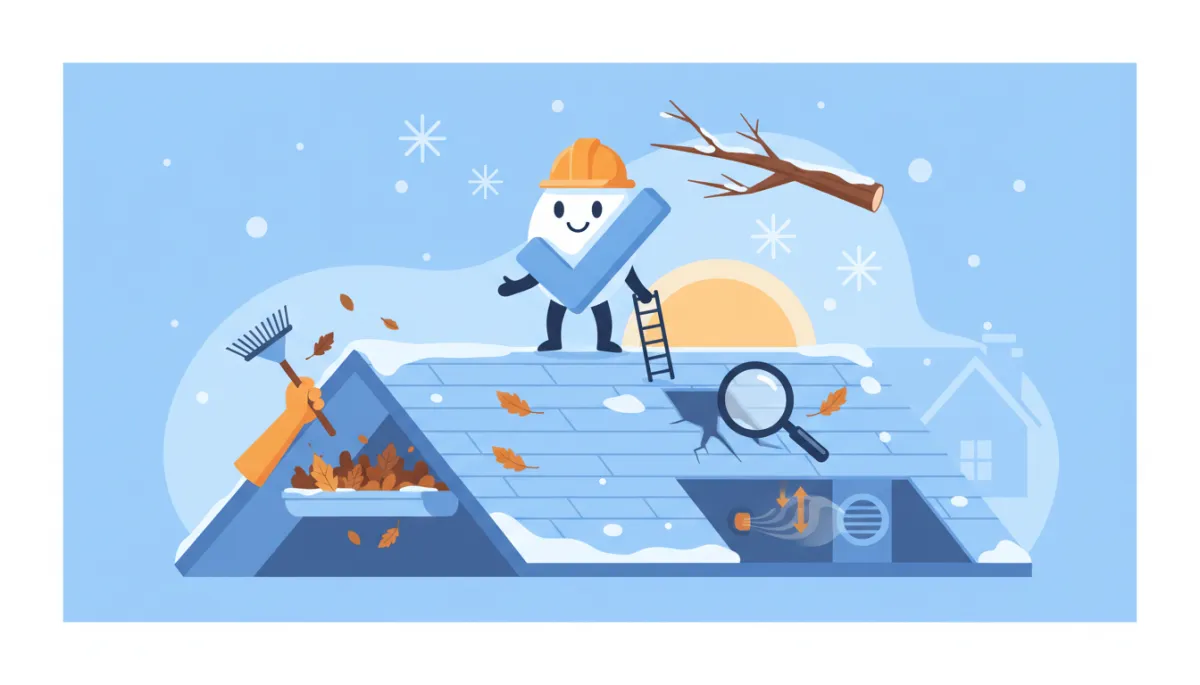
Prepare Your Roof for Winter: Expert Tips & Checklist
Home Maintenance, Roof Winterization, Check Mark Roofing
Check Mark’s Guide to Preparing Your Roof for Winter
A well-prepared roof is your home’s first line of defense against harsh winter weather. This step-by-step guide from Check Mark Roofing, LLC walks you through a practical checklist to help protect your property before temperatures drop and snow starts to fall.
Why Winterizing Your Roof Matters
Winter weather exposes every weakness in a roofing system. Snow loads, freeze–thaw cycles, and ice dams can quickly turn minor issues into costly leaks and structural damage. Preparing your roof before the first hard freeze is not just good maintenance; it is risk management for one of your largest investments—your home or commercial property.
At Check Mark Roofing, LLC, our crews see the same pattern every winter: many emergency calls could have been prevented with a thorough, proactive inspection in the fall. The checklist below is designed to help you identify concerns early and decide when it is time to bring in a professional roofing team for a closer look.
Step 1: Clear Gutters and Downspouts to Prevent Ice Dams
Clogged gutters are one of the leading contributors to winter roof damage. When leaves, twigs, and granules from shingles accumulate in your gutters, meltwater from snow has nowhere to go. It backs up under the shingles, refreezes along the eaves, and forms ice dams—thick ridges of ice that can force water under your roofing materials and into your home.
Clean out all debris. Using a stable ladder and proper safety precautions, remove leaves, seed pods, roofing granules, and any other buildup from gutters by hand or with a scoop. Avoid leaning tools against the shingles, which can cause damage.
Flush with water. Run a gentle stream of water through the gutters and downspouts to confirm they are flowing freely. Watch for slow drainage, which can signal hidden clogs or improper pitch.
Check for sagging or separation. Look for sections of gutter pulling away from the fascia or sagging under their own weight. These weak points are more likely to fail under heavy snow or ice loads and should be reinforced or re-hung before winter.
💡 Pro Tip: If your property is surrounded by mature trees, plan on cleaning gutters more than once each fall. A follow-up cleaning after the last leaves drop significantly reduces your risk of ice dams.
Step 2: Inspect Shingles for Damage, Lifting, or Wear
Your shingles or other roofing surface are the outer armor of your roof. Any compromised area becomes a potential entry point for water once snow and ice arrive. A careful visual inspection from the ground and, if it is safe to do so, from a ladder can reveal issues that should be corrected before winter sets in.
Look for missing or broken shingles. Gaps in the shingle pattern expose the underlayment and decking to moisture. Even a small missing section can lead to leaks when snow sits on the roof for extended periods.
Check for curling, cracking, or lifting edges. Shingles that are no longer lying flat are more vulnerable to wind uplift and water intrusion. In freezing conditions, water can work under these lifted edges, freeze, and widen the opening over time.
Examine valleys and roof transitions. Areas where roof planes meet, such as valleys, dormers, and around chimneys, are common leak points. Check that shingles are properly overlapped and that metal flashing is intact and tightly sealed.
If you notice widespread granule loss, numerous damaged shingles, or sagging areas, it may be a sign that your roof is nearing the end of its service life. In those cases, a professional evaluation from Check Mark Roofing can help you determine whether targeted repairs or a planned replacement is the most cost-effective path before winter stress makes matters worse.
Step 3: Trim Overhanging Tree Branches and Manage Debris
Trees add beauty and shade to your property, but branches that hang over your roof can create serious winter hazards. Under the weight of snow and ice, even healthy limbs can snap, damaging shingles, gutters, and in severe cases, the roof structure itself. Overhanging branches also shed leaves and needles directly onto the roof, trapping moisture and accelerating wear.
Identify branches within fall distance of the roof. Look for limbs that extend over the roof surface or rest on the shingles, as well as dead or weakened branches that could fall during a winter storm.
Trim safely or hire a professional. Light pruning of small branches may be manageable for some homeowners, but anything near power lines or large limbs over the roof is best handled by a licensed arborist or tree service to avoid property damage and personal injury.
Remove roof and yard debris. After trimming, clear branches, leaves, and needles from the roof surface and surrounding landscape. Left in place, this material can clog gutters, trap moisture, and invite pests seeking shelter from the cold.
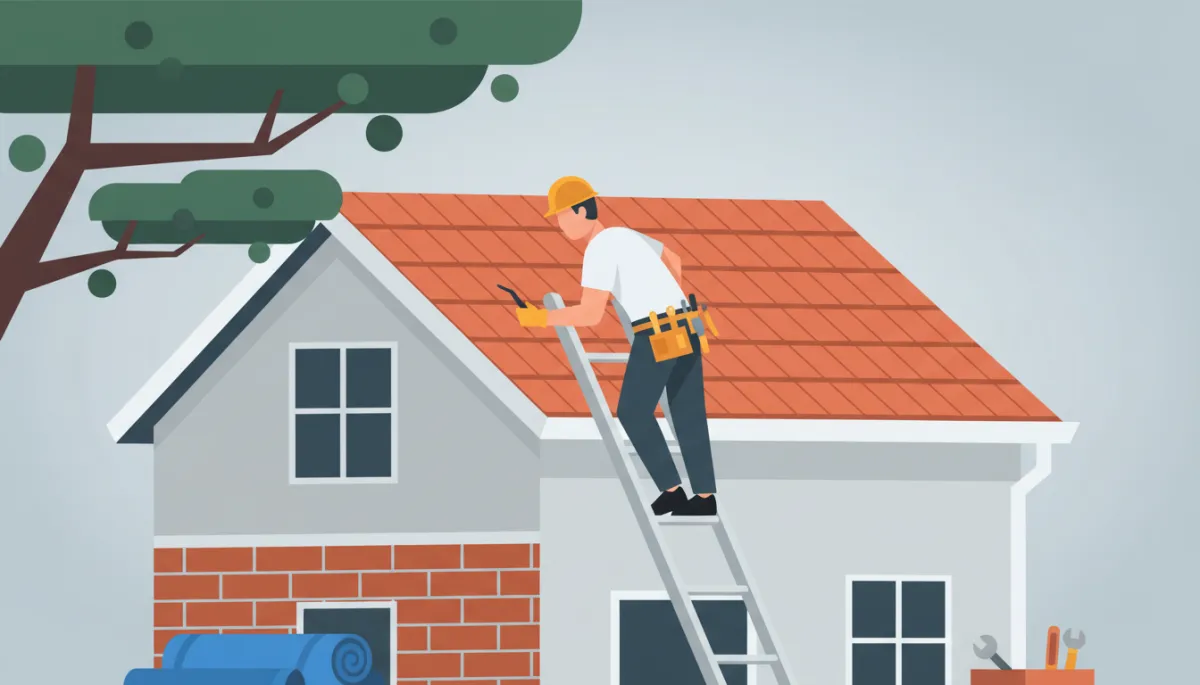
Strategic trimming and inspection reduce the risk of winter storm damage to your roof.
Step 4: Inspect Attic Ventilation and Insulation
Many winter roofing problems start inside the home, not on top of it. Inadequate attic ventilation and poor insulation can allow heat to build up under the roof deck, causing snow on the roof to melt unevenly. As the meltwater runs down to the colder eaves, it refreezes and contributes to ice dam formation. Proper airflow and insulation help keep roof temperatures more consistent, protecting both the shingles and the interior of your home.
Check soffit and ridge vents. From the exterior, verify that soffit vents along the eaves and ridge vents at the roof peak are unobstructed. Inside the attic, make sure insulation is not blocking soffit vents and that baffles, where present, are intact and properly installed to maintain airflow channels.
Evaluate attic insulation levels. Look for thin or uneven insulation, gaps around recessed lights, chimneys, and access hatches, and areas where insulation has been disturbed. Increasing insulation to recommended levels can improve comfort, reduce energy costs, and support a healthier roof system in winter.
Watch for signs of moisture. Staining on the underside of the roof deck, damp insulation, or rusted fasteners indicate condensation or leaks. Addressing these issues before winter helps prevent mold growth and structural deterioration.
📌 Key Takeaway: A balanced system of intake and exhaust ventilation, paired with proper insulation, is one of the most effective ways to reduce ice dams and extend the life of your roof.
Step 5: Review Flashing, Sealants, and Roof Penetrations
Anywhere your roof is penetrated—by chimneys, skylights, vent pipes, or satellite mounts—is a potential leak point. In winter, snow and ice often accumulate around these features, putting additional stress on flashing and sealants. A quick review now can prevent water from finding its way inside when temperatures fluctuate.
Inspect metal flashing. Look for rust, gaps, or sections that have lifted away from the roof or wall surfaces. Flashing should lie flat and be securely fastened, with no visible cracks or separations in the sealant.
Check sealants and boots. Around vent pipes and other penetrations, examine rubber boots and caulking for cracks, brittleness, or gaps. Cold weather will only worsen existing deterioration, so schedule repairs or replacements before winter sets in.
Step 6: Plan for Snow and Ice Management
In regions that receive significant snowfall, planning for snow and ice management is an essential part of winter roof preparation. While your roof is designed to handle typical snow loads in your area, unusually heavy accumulation or repeated freeze–thaw cycles can still cause stress.
Use roof rakes correctly. If you plan to remove snow from the lower portions of your roof, use a roof rake with a long handle, and work from the ground when possible. Avoid chipping at ice dams or scraping shingles, which can cause more harm than good.
Know when to call professionals. If you see extreme snow buildup, large ice formations, or interior signs of stress such as new cracks in walls or ceilings, contact roofing professionals who have the right equipment and safety training to remove snow and diagnose structural concerns.
When to Call in the Experts at Check Mark Roofing, LLC
A homeowner’s checklist is an excellent first line of defense, but it cannot replace the trained eye of an experienced roofing professional. Certain warning signs—such as widespread shingle deterioration, sagging roof lines, chronic ice dams, or persistent attic moisture—warrant a comprehensive inspection and expert recommendations.
Check Mark Roofing, LLC specializes in durable, high-quality roofing solutions tailored to the specific needs of your home or commercial property. Our team evaluates the entire system—roof surface, gutters, flashing, ventilation, and insulation—to identify vulnerabilities before winter weather can exploit them. We focus on precision craftsmanship and premium materials so that any repair or upgrade we recommend is built to last, not just to get you through a single season.
Take Action Now: Schedule Your Pre‑Winter Roof Inspection
Winter does not wait, and neither should you. By following this checklist, you have already taken an important step toward protecting your property. The most reliable way to complete your preparation is to bring in trusted professionals who can confirm your roof is ready for whatever the season delivers—or outline a clear, practical plan to get it there.
Before the first snowflake falls, request a professional roof inspection and expert recommendations at no cost from Check Mark Roofing, LLC. Our team will perform a thorough, safety-focused assessment, explain our findings in straightforward terms, and provide tailored solutions that align with your goals for durability, performance, and budget. With a pre‑winter inspection on the calendar, you can head into the cold season with confidence, knowing your roof has been evaluated and prepared by specialists who take pride in every detail.
Do not leave your home’s protection to chance this winter. Contact Check Mark Roofing, LLC today to schedule your pre‑winter roof inspection and ensure your roof is ready to perform when you need it most.
